Our Aquamation services
Aquamation vs. Traditional Cremation
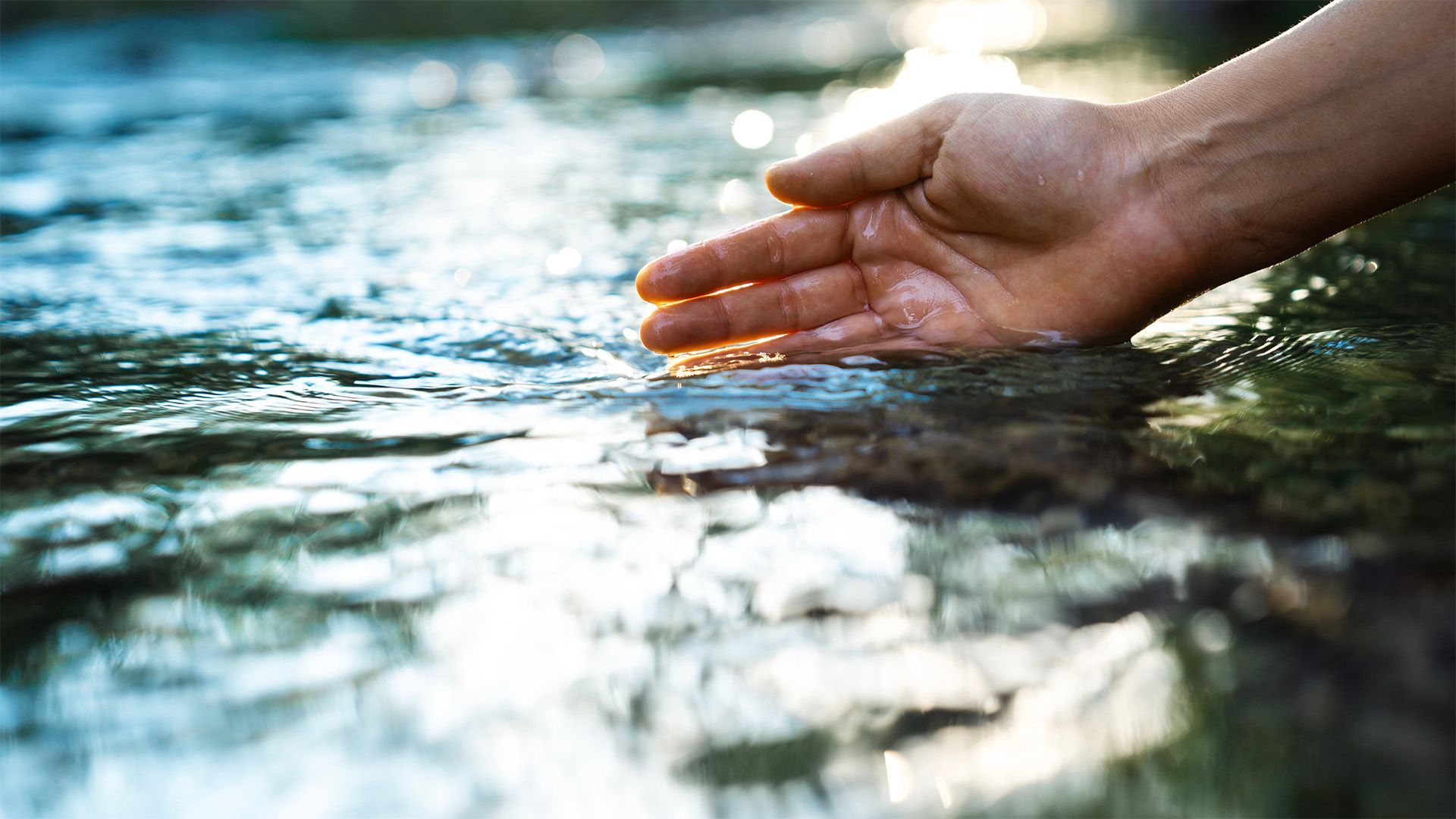
When choosing between the two methods, the fundamental difference lies in the element used to reduce the remains: fire versus water. Traditional cremation relies on intense, direct flames fueled by natural gas, a process that consumes significant fossil fuels and releases carbon dioxide and airborne toxins into the atmosphere. Aquamation (alkaline hydrolysis), on the other hand, is a flameless, water-based process that uses a gentle flow of warm water and alkalis to accelerate natural decomposition. Because it bypasses combustion entirely, aquamation uses 90% less energy than flame cremation, produces zero direct greenhouse gas emissions, and returns about 20% more ashes to the family in the form of a fine, pristine white powder rather than coarse, gray cinder.
Aquamation
- Water-based process
- No direct flame
- Lower energy consumption
- Gentle process
- Reduced emissions
Flame Cremation
- Flame-based process
- Uses intense heat
- Higher energy consumption
- Rapid thermal process
- Higher emissions